The Real Math Behind Slot RTP (And Why It Matters)

Walk into any casino forum and you'll find two types of players: the ones who believe a machine is "due" for a payout, and the ones who've actually read a paytable. The gap between those two groups is enormous. It's the difference between treating slots as a game of skill you can crack and treating them as what they actually are — a math product with a built-in house edge that you can still enjoy intelligently. This piece isn't about gimmicks or "loophole" systems. It's about the actual mechanics that decide whether you leave a session up, down, or broke.
RTP, House Edge, and the Number Most Players Misread
Every regulated slot has a Return to Player percentage, usually between 94% and 97%. A 96% RTP slot returns, on average, $96 for every $100 wagered over millions of spins. The other $4 is the house edge. Here's where people get it twisted: that 96% doesn't mean you get 96% of your bankroll back in a typical session. It means that over an enormous sample size, total returned value trends toward 96%. In any single 200-spin run, your variance can swing wildly — you might double up or lose 80% of your buy-in. The RTP is a long-run number, not a session promise.
That distinction matters when comparing games. A 97.5% RTP blackjack table and a 96% slot have a 1.5% edge gap, which sounds tiny but compounds brutally over thousands of hands. The same logic applies to video poker. Jacks or Better with perfect strategy sits around 99.5%. Most penny slots sit between 92% and 96%. If you're playing purely for length of entertainment, the higher-RTP option stretches your money further.
- High-volatility slots (like many Megaways titles) pay rarely but can hit 10,000x your stake.
- Low-volatility slots dribble out small, frequent wins that keep your balance stable.
- RTP and volatility are separate variables — a game can have 96% RTP with insane variance or 96% with gentle swings.
Why "Hot" and "Cold" Machines Are a Myth
Online slots use RNGs certified by testing labs like eCOGRA or GLI. Each spin is independent. A machine that just paid out $5,000 is exactly as likely to pay out again as one that's been dead for two hours. Physical casino slots work on the same principle — the internal RNG doesn't track your session. The "due for a win" feeling is a cognitive bias called the gambler's fallacy, and it's the single most expensive belief in the building.
That said, there's one legitimate thing to check: the paytable itself. Two visually identical slots from the same provider can have different RTP settings, sometimes by 2-3 full percentage points, depending on the operator. If a casino lists the RTP in the game info screen, read it. If they don't, that's a yellow flag.
Poker Is the Only Game Where Skill Moves the Edge
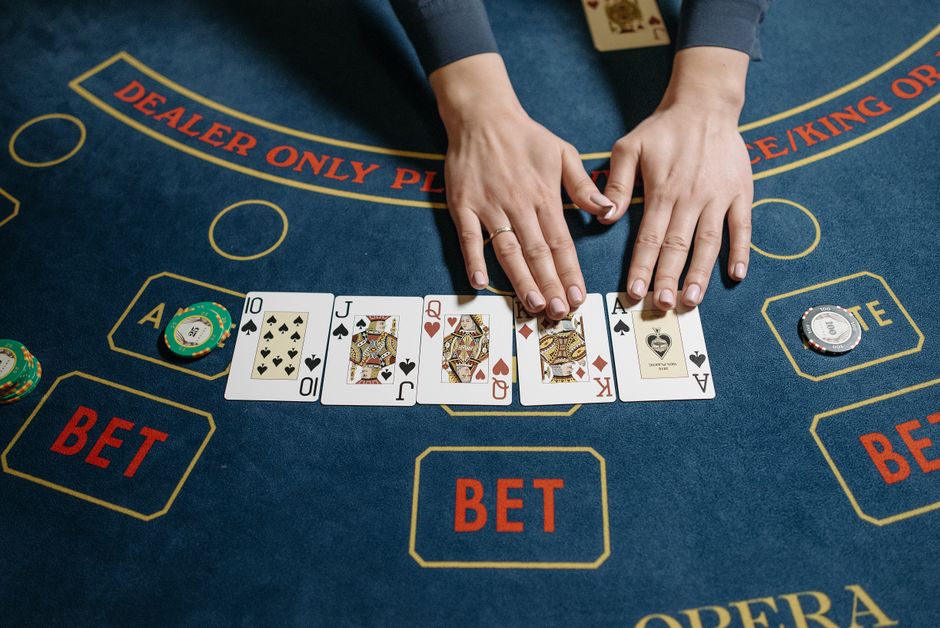
Here's the uncomfortable truth for slot fans: in poker, a skilled player can achieve a positive expected value against weaker opponents. The house takes a rake, but if you're consistently better than the table, you profit over time. No amount of skill changes a slot's math. That's why serious gamblers often split their time — slots for entertainment, poker for edge. A good place to continue is สล็อต.
If you want to improve at poker, three things matter more than anything else:
- Position — acting last gives you information. Play more hands from the button, fewer from early seats.
- Bankroll management — never sit with more than 5% of your total poker roll at one table. Bad beats happen; the goal is surviving them.
- Opponent reading — at low stakes, most players are too loose and too passive. Value-bet relentlessly against them.
Tournament poker is a different beast. You can win a $10 buy-in satellite and turn it into a five-figure score, but the variance is brutal. Cash games offer steadier returns for consistent players.
Sports Betting: Where the Line Is the Product
Betting markets aren't random. Bookmakers set lines to balance action and guarantee profit via the vig — typically 4-5% on a standard two-way market. If you bet $110 to win $100 on a coin-flip scenario, you're paying $10 in juice for the privilege. Over 100 bets, you need to win more than 52.4% just to break even.
Sharp bettors hunt for soft lines: regional books with stale odds, prop bets with mispriced probabilities, or live markets during fast-moving games. The average recreational bettor loses because they bet with their heart, not the numbers. If you're going to bet seriously, track every wager. Spreadsheets don't lie about your actual win rate.
Practical Bankroll Rules That Actually Work
Most players don't lose because the games are rigged. They lose because they chase losses, increase stakes after a bad run, or play money they can't afford to lose. A few rules that separate disciplined players from the rest:
- Set a hard session limit before you start — not after you're down $300.
- Never increase your stake to "win it back." That's how $50 becomes $500.
- Withdraw wins periodically. A balance in your account is just a number; money in your bank is real.
- Use bonuses carefully — wagering requirements of 40x on a $100 bonus mean you need to bet $4,000 before cashing out.
Bonus terms are where casual players get trapped. A "100% match up to $500" sounds generous until you read that slots only contribute 20% toward wagering. Do the math on the effective value before you accept anything.
The Bottom Line
iGaming is entertainment first. The math guarantees the house wins over time, so the only rational approach is to treat your losses as the cost of that entertainment — like a movie ticket. If you're playing slots, pick high-RTP titles and stick to a budget. If you're playing poker, put in the study hours. If you're betting sports, track your results honestly. The players who last aren't the ones chasing jackpots; they're the ones who understand the numbers and still manage to have fun. That's not pessimistic. It's just the reality of an industry built on probability.