Slots, Poker, and the Real Math of Online Betting

Ask ten people why they play at online casinos and you'll get ten different answers. One loves the ritual of a Sunday poker tournament. Another chases jackpot screenshots at 2 a.m. A third just wants to flip twenty euros into forty on a football accumulator. The iGaming world is enormous precisely because it scratches so many different itches — but underneath all of it sits the same unglamorous truth: the math always wins eventually. Understanding that math doesn't ruin the fun. If anything, it makes you a sharper, calmer player.
The Numbers Behind Every Spin
Every casino game has a house edge, and it's not hidden. It's baked into the rules, the paytables, and the odds, and regulators in mature markets force operators to publish it. Slot machines typically run a return-to-player (RTP) between 94% and 97%, depending on the game and the jurisdiction. That sounds generous until you realize it means the house keeps 3–6% of every euro wagered over the long run. A 96% RTP slot will, on average, return 96 cents for every euro you cycle through it. On a €500 session, the expected loss is around €20 — not catastrophic, but relentless.
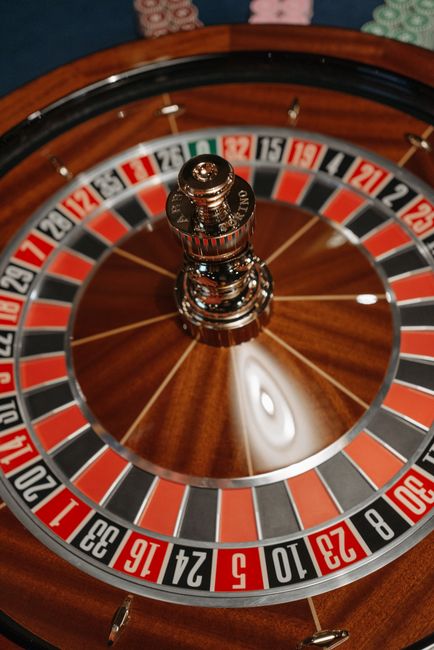
Table games tell the same story with different numbers. Blackjack played with basic strategy has a house edge of roughly 0.5%, one of the best bets in the building. European roulette sits at 2.7% because of the single zero. American roulette doubles that to 5.26% thanks to the extra 00 pocket. Baccarat's banker bet hovers around 1.06%. None of these are scams — they're just prices, like the rake at a poker table or the margin on a sportsbook.
Volatility: The Stat Most Players Ignore
RTP is only half the story. Two slots can both pay 96% and feel completely different to play. That's variance, or volatility, and it determines how bumpy the ride is.
- Low volatility slots hit small wins frequently. Your bankroll lasts longer, but big multipliers are rare. Think Starburst-style games.
- Medium volatility balances the two — decent hit frequency with occasional 100x-plus wins.
- High volatility slots like Book of Dead or Money Train can go 200 spins without a meaningful payout, then suddenly drop a 5,000x multiplier. Great for streamers, brutal for small bankrolls.
The practical takeaway: match volatility to your budget. If you're playing with €50, a high-volatility slot is a lottery ticket. If you've got €500 and patience, it's a legitimate strategy. A common rule of thumb is to have at least 200–300 spins' worth of stake in your session budget for high-volatility games.
Where Skill Actually Matters
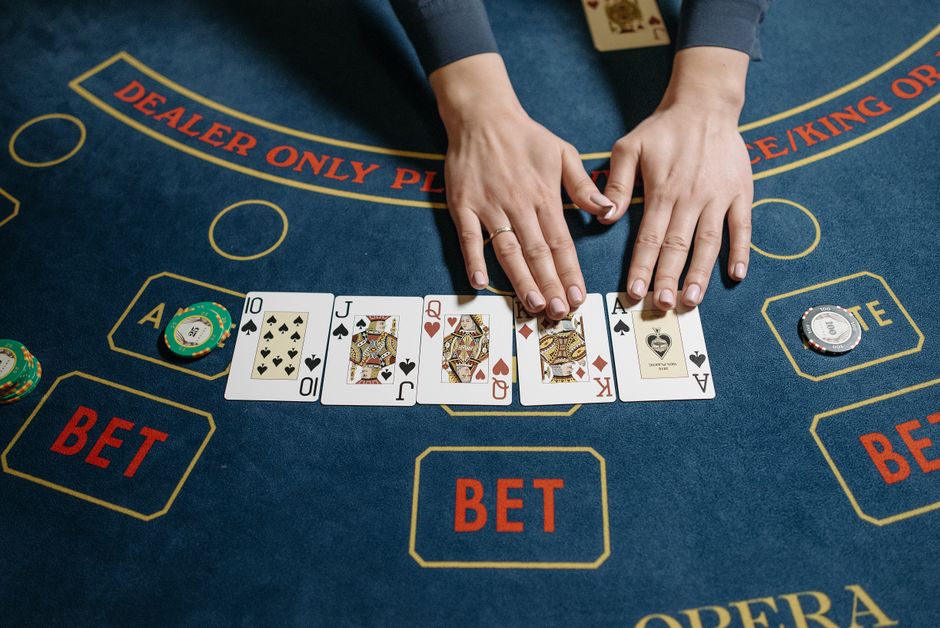
This is where poker separates itself from almost everything else in the casino. Slots, roulette, and most table games are pure chance — no decision you make changes the expected value. Poker is different. It's a game of incomplete information against other humans, and over thousands of hands, the better player wins.
Consider a simple example. In Texas Hold'em, if you're dealt pocket aces, you'll win roughly 85% of the time against a single random hand. Someone who folds too much, ignores position, or chases draws without pot odds will bleed chips steadily. Pros make money not from lucky rivers but from consistent, small edges over time. The same logic applies to sports betting: a bettor who understands closing line value — whether the odds they took were better than the final odds before kickoff — is far more likely to be profitable than one who just backs favorites.
Here's a quick checklist for anyone trying to treat poker or betting more seriously:
- Track every session in a spreadsheet. Wins, losses, stakes, hours.
- Study position and pot odds before memorizing fancy bluffs.
- Avoid playing while tilted or after a big loss.
- Join a community or forum where hands get dissected honestly.
- Set a hard stop-loss and stick to it — no exceptions.
Bonuses, Wagering, and the Fine Print Trap
Welcome bonuses are the most oversold product in iGaming. That €500 match bonus looks great until you read the wagering requirement: 40x, restricted to slots contributing 100%, and capped at a €100 withdrawal. Suddenly the bonus is less a gift and more a part-time job. See สล็อต for a side-by-side comparison.
Do the math before you accept anything. A €100 bonus with 40x wagering means you must bet €4,000 before cashing out. At a 96% RTP slot, the expected loss on that €4,000 is €160 — more than the bonus itself. Free spins offers are usually friendlier because the wagering is much lower, often 10x to 20x, and they let you sample a game without risking your own money. The best bonus is still the one with the lowest wagering requirement, not the biggest headline number.
Bankroll Discipline Is the Real Edge
Every experienced player I've ever spoken to says the same thing: the game is secondary. Bankroll management is what separates people who enjoy this hobby for years from people who bust out in a weekend and feel sick about it. A few principles that hold up across slots, poker, and sports betting:
- Never gamble with money you need for rent, food, or bills. Ever.
- Decide your session budget before you log in and treat it as spent.
- For poker, keep at least 20 buy-ins for the stakes you play. For sports betting, keep unit sizes at 1–2% of your bankroll.
- Take breaks. Long sessions almost always correlate with worse decisions.
- Use tools like deposit limits and cool-off periods. Regulated operators must offer them.
One underrated habit: withdraw a portion of any big win immediately. It removes the temptation to spin it back, and it means a good night actually stays a good night.
Finding a Platform You Can Actually Trust
The iGaming market is crowded, and not every operator deserves your money. Licenses matter — a Malta Gaming Authority or UK Gambling Commission license means the operator has passed audits, must segregate player funds, and offers real complaint mechanisms. Look for transparent RTP disclosures, published payout speeds, and honest reviews from actual players rather than affiliate sites hyping the highest commission.
Payout speed is one of the most reliable indicators of quality. An operator that processes withdrawals in hours rather than days is usually one that's confident in its systems and its reputation. If payouts drag, deadlines get reset, and customer support stops replying, walk away — even if the bonuses look incredible.
Final Thoughts on Playing Smart
The reason iGaming attracts hundreds of millions of players worldwide isn't that people expect to win big — it's that the experience itself is genuinely entertaining. A slot's soundtrack, the tension of a river card, the thrill of a correct accumulator: those are real, and they're worth paying for, in the same way a cinema ticket is worth paying for. The trick is to go in with your eyes open, treat the house edge as the price of admission, and never confuse entertainment with investment. Do that, and you'll get far more out of slots, poker, and betting than the players who chase losses and ignore the math.