Inside iGaming: Slots, Poker, and the Art of the Bet
There is a moment every gambler knows. It happens right before the cards flip, before the reels stop spinning, before the dice settle. Your pulse quickens, your mind goes quiet, and the whole world shrinks down to a single outcome. That moment is why the iGaming industry exists, and it is why it has grown into a global entertainment machine worth hundreds of billions of dollars a year. But for all the flashing lights and celebrity endorsements, most people never stop to think about how this ecosystem actually works, which games genuinely offer value, and where players waste their money without realizing it.
Let's fix that. What follows is an honest, practical look at the worlds of slots, table games, and betting, along with the habits that separate savvy players from the ones funding everybody else's jackpots.
The iGaming Landscape Today
The online gambling market passed roughly $100 billion in gross gaming revenue globally, with online casinos and sportsbooks accounting for the fastest-growing slice. What surprises many newcomers is how consolidated the industry has become. A handful of companies own dozens of casino brands, and most of those brands run on the same underlying platform. So when you sign up to a casino that looks completely different from the one you played at last month, there's a decent chance your account is sitting on identical software with a different logo slapped on top.
That matters for a simple reason: game selection is more important than brand loyalty. Two casinos can offer the exact same slots at very different payout rates for loyalty programs and bonus terms. If you hop between platforms chasing sign-up offers, you'll eventually run into wagering requirements too steep to clear. A 100% match bonus sounds generous until you realize you have to wager the bonus forty times before withdrawing a cent.
Beyond casinos, the sports betting side has moved aggressively into mainstream culture. Same-game parlays, live in-play markets, and cash-out features turned what used to be a weekend hobby into a daily dopamine loop. That convenience is exactly why discipline becomes the biggest factor in whether a player is a long-term winner or a statistic. There is a useful overview at สล็อต.
Slots: The Math Nobody Reads
Slot machines are the moneymakers of the entire industry, and they're also the most misunderstood. Modern online slots are powered by random number generators, software that cycles through thousands of outcomes per second. There is no hot streak. There is no machine due to pay out. Every spin is independent of the last.
What you can actually analyze is the return-to-player percentage, or RTP. This is the average amount returned to players over millions of spins:
- 96% RTP or above: a strong slot, granting the house roughly a 4% edge
- 94–95% RTP: the industry standard, decent but not generous
- Below 92% RTP: typically found on jackpot progressives or older titles, and you should know the tradeoff
Here's the kicker. Some studios release the same theme with different RTP settings, often 96% for one market and 88% for another. The slot looks identical in both cases. If you don't check the information tab, you won't know which version you're playing. A quick habit: open the paytable before your first spin and look for the RTP listed at the bottom.
Volatility matters just as much. High-volatility slots pay rarely but can hit enormous. Low-volatility slots pay small amounts often. Matching volatility to your bankroll is more useful than hunting for a pretty theme. With a $50 bankroll, a low-volatility slot lets you stretch a session into hundreds of spins. A high-volatility machine may swallow all of it before the first bonus round appears.
Poker: The Game of Skill in the Room
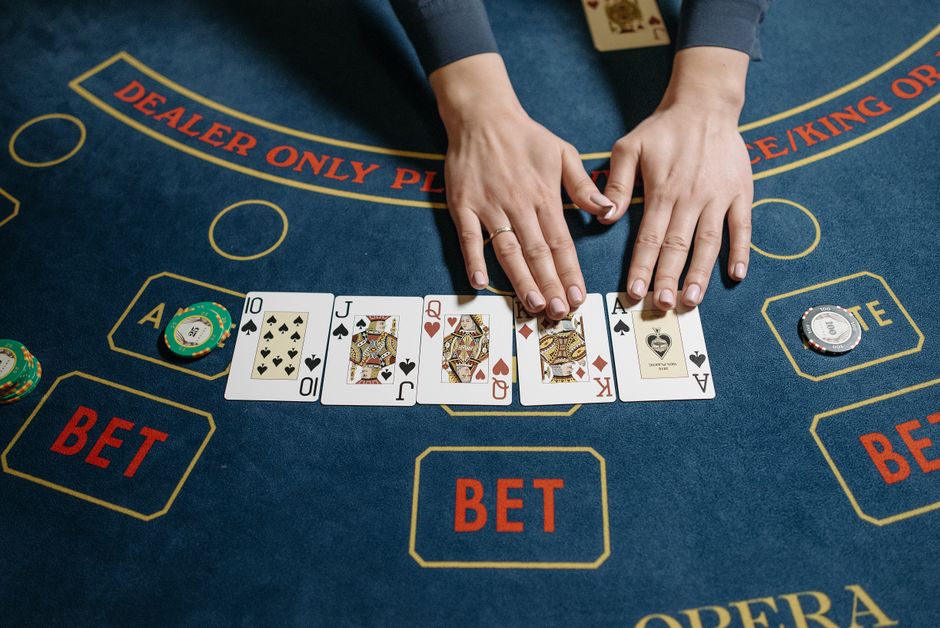
If slots are the casino's cash machine, poker is the player's game. You're not playing the house; you're playing other people, and the house simply takes a rake. That distinction changes everything. Over time, the better decision-maker wins. In slots, no amount of skill changes the expected value. In poker, a player who masters position, bet sizing, and range analysis will grind out a profit against weaker opponents.
The rise of online poker created two tiers: cash games and tournaments. Cash games are the marathon. Tournaments are the sprint. Most newcomers gravitate to multi-table tournaments because of the low buy-ins and the dream of a big score, but the variance is brutal. A solid tournament player might go twenty or thirty events without a deep run. Cash games, by contrast, offer steadier feedback and let you choose your table composition.
Three things consistently separate profitable players from losing ones:
- Table selection. Sitting with weaker players is worth more than any advanced strategy tip.
- Bankroll management. Never buy into a cash game with more than 5% of your dedicated poker bankroll, or a tournament for more than 2%.
- Emotional control. The math only works if you apply it consistently. One tilt-fueled session can erase a month of disciplined play.
Tracking software also deserves a mention. Free tools like session trackers and hand databases have become affordable enough that any serious player can review their own leaks. Reviewing your play hands is far more valuable than watching another highlight video.
Betting: Where Information Beats Luck
Sports betting rewards research more than any other iGaming vertical, though only marginally. The bookmaker's margin, or vig, typically sits between 4% and 8% on standard markets. That means you don't just need to predict outcomes; you need to beat the price. A lot of casual bettors consistently back favorites at bad odds and wonder why they lose.
A few useful principles:
- Shop the line. The same event can carry noticeably different odds across books. Even a small difference in price compounds over hundreds of bets.
- Specialize. Bettors who follow one league deeply tend to outperform those who spread themselves thin across five sports.
- Ignore the parlay trap. Some books pay out enhanced odds on long parlays, but the probability of hitting is so low that the added payout rarely justifies it.
The growing use of live betting has made discipline harder because the action never stops. Consider setting daily or weekly loss limits inside your account before you place your first bet. Most regulated books offer this feature and honor it, so use it before emotion takes over.
Bankroll, Bonuses, and the Rules That Bite
Every iGaming category shares one truth: the house edge is always working. That means your only real protection is a pre-set bankroll and a clear plan for it. Split your entertainment budget into sessions ahead of time. If you lose it, you stop. If you win, you set aside a portion rather than reinvesting everything.
Read the bonus terms with the same attention you would give a loan contract. Watch for maximum bet limits on bonus funds, game weighting (slots may count 100% toward wagering while table games count only 10%), and expiry windows. These terms are where bonuses quietly turn into house advantage.
Final Thought for the Player
The iGaming world is genuinely entertaining, and for the disciplined player it can be more than that. It is a landscape of real strategy, measurable edges, and thoughtful decision-making. But it only rewards attention. Understand the RTP you're playing, pick your tables and markets deliberately, and treat bankroll limits as non-negotiable. Do those things and you'll stay on the right side of the odds, enjoying the game for what it is: a test of nerve, math, and self-control.