The Real Difference Between Luck and Skill in Online Casinos
Ask ten regular players what separates a winning session from a losing one, and you'll get ten variations of the same answer: luck. That word gets thrown around in iGaming like it explains everything, from a brutal slot cold streak to a poker bad beat that still stings three weeks later. But here's the uncomfortable truth nobody likes to admit—luck is only half the story, and which half depends entirely on which game you're sitting in front of.
Understanding where randomness ends and decision-making begins is the single most useful thing a player can learn. It changes how you pick games, how you manage a bankroll, and how you process a loss at 2 a.m. when the balance hits zero.
Slots and Casino Games Are Basically Math, Not Mystique
Let's start with the games that give luck the most credit because they deserve it. Modern video slots run on certified random number generators, and every spin is completely independent of the one before it. There is no hot machine, no cold machine, no pattern to chase. A slot that hasn't paid in two hours is not "due"—it has exactly the same odds on the next spin as it did on the first.
The number that actually matters is RTP, or return to player. If a game advertises 96%, that means over millions of spins it returns 96 cents for every dollar wagered and keeps 4 cents as the house edge. You will never personally experience that number in a single session, but it tells you which games are mathematically kinder over time. Low-volatility slots pay small amounts frequently. High-volatility slots like Money Train or San Quentin can go 500 spins without a feature, then hand you a 2,000x win. Neither is better—they just suit different temperaments and bankrolls.
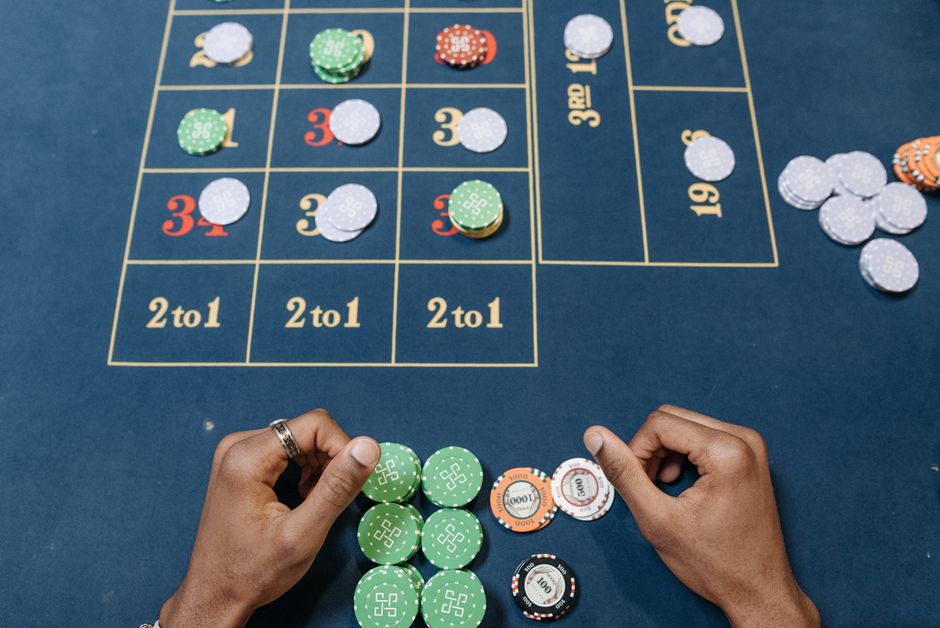
Live dealer games and table classics like roulette sit in the same camp. You can play perfect blackjack basic strategy and still lose five hands in a row. The house edge is smaller, but the dice, cards and wheels don't care how well you play. See สล็อต for a side-by-side comparison.
Where Skill Genuinely Takes Over
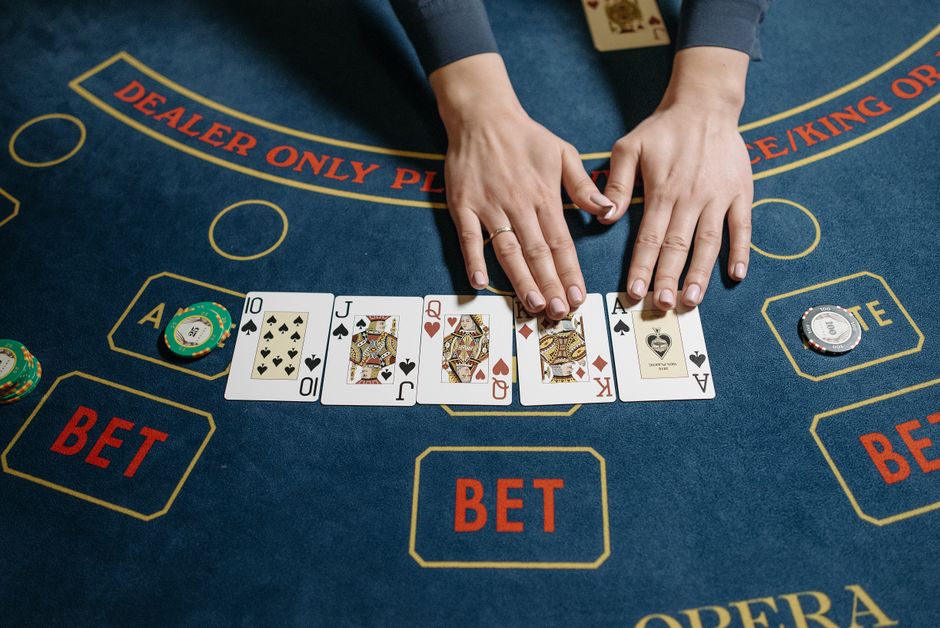
Now the flip side. Poker is not gambling in the same sense as spinning a reel, and anyone who treats it that way will donate their money to the people who don't. Over a large sample—say 100,000 hands—the outcome is dominated by decision quality, not card distribution. A skilled player beating a soft table for 5 big blinds per 100 hands is not lucky; they're exploiting the fact that their opponents fold too much, call too much, and bluff in spots that make no sense.
- Position dictates how many hands you can profitably play. Acting last is worth real money.
- Bankroll management keeps you in action through the inevitable downswings that even elite players hit.
- Reading ranges, not specific hands, is what separates break-even players from winners.
- Tilt control is a skill. Rebuying after a bad beat and punting three stacks is a decision, not fate.
Sports betting has a similar skill gradient, though it's messier. If you consistently beat the closing line, you're adding genuine edge. If you're betting parlays with your heart, you're paying the bookmaker's rent.
A Concrete Example Worth Remembering
Two players each deposit €500. Player A grinds a 96.5% RTP slot with small bets for three hours and finishes down €80. Player B deposits the same amount, finds a soft €1/€2 poker table with two obviously recreational opponents, and books a €340 profit over the same three hours. Same timeframe, same starting bankroll, wildly different results. Player B didn't get lucky—they chose a battleground where skill had room to breathe.
The Bankroll Rules Actually Worth Following
Nobody enjoys reading about bankroll management, but it's the difference between a hobby and a slow bleed. The old advice of "never bet more than 1% of your bankroll on a single bet" is too rigid, but the spirit is right. Here's how to think about it practically:
- Decide your total gambling budget for the month before you log in, then split it across sessions.
- For slots, expect volatility. If a 20-cent spin can produce a 500x feature, you need at least 200 bets in reserve to survive dry spells.
- For poker cash games, 20 buy-ins is the absolute minimum at a level you've beaten. 30 is comfortable.
- For tournaments, you want 50 to 100 buy-ins, because variance is brutal.
- Track everything. Players who record results make better decisions than those who rely on memory, which is famously self-flattering.
Reading Bonuses Without Getting Fooled
iGaming operators compete on welcome offers, free spins and reload promos, and the headline numbers are usually more generous than the reality. A 200% match bonus up to €500 sounds lovely until you read the terms. Look for these specific details:
- Wagering requirements—40x means you must bet €40 for every €1 of bonus before withdrawing anything.
- Game weighting—slots typically count 100%, but live roulette might count 10% or 0%, which massively changes the real value.
- Max bet during bonus play—breaking a €5 cap can void your entire balance, winnings included.
- Expiry windows—some bonuses disappear in 7 days, others in 30.
The best bonus strategy is simple: choose a modest bonus with low wagering over a huge bonus with punishing terms almost every time.
The Mental Game Nobody Talks About
The most underrated variable in all of iGaming isn't RTP or house edge—it's you. Chasing losses, always thinking you're one spin away from a jackpot, is the fastest way to turn a fun night into a financial regret. Set stop-losses and stop-wins before you start. If you hit either, walk away. The games will still be there tomorrow.
Quick Decision Framework
- Want pure entertainment with no pretense of skill? Play slots or table games with a fixed loss limit.
- Want to win long term? Choose poker or sports betting and study seriously.
- Want both? Keep them separate. Never fund a poker session from a slot win, or vice versa.
Final Thought: Play the Game You Can Actually Beat
Luck controls the short term, and no strategy will change that. A slot session is a lottery ticket with a nicer interface, and there's nothing wrong with that—as long as you call it what it is. But if your goal is to come out ahead over months and years, you have to move to games where your decisions carry weight. Poker, sports betting, even certain blackjack scenarios reward the disciplined. Everything else rewards the house. Knowing which seat you're in, and why, is the most profitable piece of iGaming knowledge you'll ever hold.